
About Me
I'm Hady Ibrahim, a 5th-year Software and Biomedical Engineering student at McMaster University in Canada. I build systems that have to work under real constraints—latency, memory, reliability, and messy real-world data—because “it runs” only matters if it keeps running when the environment changes. I care a lot about writing code that is maintainable, extensible, and easy to reason about, and I’m especially motivated by the space where software engineering and healthcare intersect. My long-term goal is to develop deployable ML and software systems that are efficient enough to live on-device or at scale, and reliable enough to earn trust in high-stakes settings.
I’ve been lucky to work across both product engineering and applied ML, and I enjoy roles where I can go from a fuzzy problem to something people can actually use. Early on, I worked at Apple and at Shopify in software-focused roles where I learned the fundamentals of shipping: clean interfaces, thoughtful debugging, and building for the long-term instead of the demo. More recently at Shopify, I moved deeper into ML systems work at scale. I delivered a brand-recognition model that raised feature F1 from 12% to 73% and improved the overall model score by 39%, with gains statistically validated via bootstrapped 95% confidence intervals. To make supervision trustworthy, I built a stratified synthetic-data pipeline with LLM annotators and arbitrators, distilled features from a GPT teacher into a Qwen2.5-VL-7B student model and published versioned synthetic train/test sets. I deployed the model across real-time and streaming services to predict brand for 2+ billion products, modernized data products with historical and “latest” dbt prediction tables, and introduced an LLM-based judge to generate diagnostics and seed GRPO training/evaluation datasets. In research, I’ve been working on ultrasound-based microrobot detection for future microrobotic surgery. Ultrasound is rotation-heavy and noisy by default, so robustness and efficiency aren’t optional. I’m benchmarking steerable/equivariant CNN approaches that encode rotational structure into the model so it doesn’t need to relearn the same feature at every orientation, and that work is moving toward a manuscript. I’m also pushing the same “real constraints” mindset through audio in my current Capstone. We’re building an on-device selective hearing (AI hearing aid) prototype that can lock onto a chosen speaker in real time without sending audio to the cloud. Our pipeline pairs a noise-robust speaker enrollment module (a compact voice “fingerprint” from a short sample) with a target speech extraction model, and we’re adapting TF-GridNet from a non-causal research design into a causal, streaming variant so it can run continuously for real-time inference. Outside the lab, I’ve grown with McMaster’s Formula Electric team from team member to leading a 15-person Software & Embedded Systems group responsible for the car’s software stack. Along the way, I switched onto the Electrical team as well, where I gained hands-on PCB design, bring-up, and testing experience. Formula taught me how to build systems that survive integration, deadlines, and reality—where good documentation, clear interfaces, and rigorous testing make the difference between something that works once and something the whole team can trust.
Work Experience

Machine Learning Engineering Intern
May 2025 – August 2025

Machine Learning Research Assistant
September 2023 – Present

Software Engineer Intern
May 2024 – August 2024
Software Developer Intern
May 2023 – August 2023
Backend Developer Intern
May 2022 – August 2022
Teaching Assistant
September 2023 – Present
Extracurriculars

Software Team Lead & LV Electronics Member
MAC Formula Electric
September 2022 – Present
Learn More

Software Developer
McMaster Engineering Society
April 2023 – May 2024
Learn More

Inpatient Pediatric Volunteer
McMaster Children's Hospital
January 2024 – Present
Learn More

Physics Youtube Channel
September 2021 – January 2022
Learn More
Projects
Personal Projects
The Hatchery - Hackathon Winner
- Built a multi-agent 'virtual incubator' where a CEO delegates to Marketing and Coding directors; CrewAI + LangChain orchestrate tasks to turn one idea into campaigns and working web/app prototypes.
- Shipped a real-time, Sims-style 3D GUI (React Three Fiber) with Socket.IO streaming so users watch agents work, inspect artifacts, and give feedback that loops back into the plan.
- Won at DeltaHacks (500+ participants; $3,000 prize pool).
Keysight - ML, Hardware
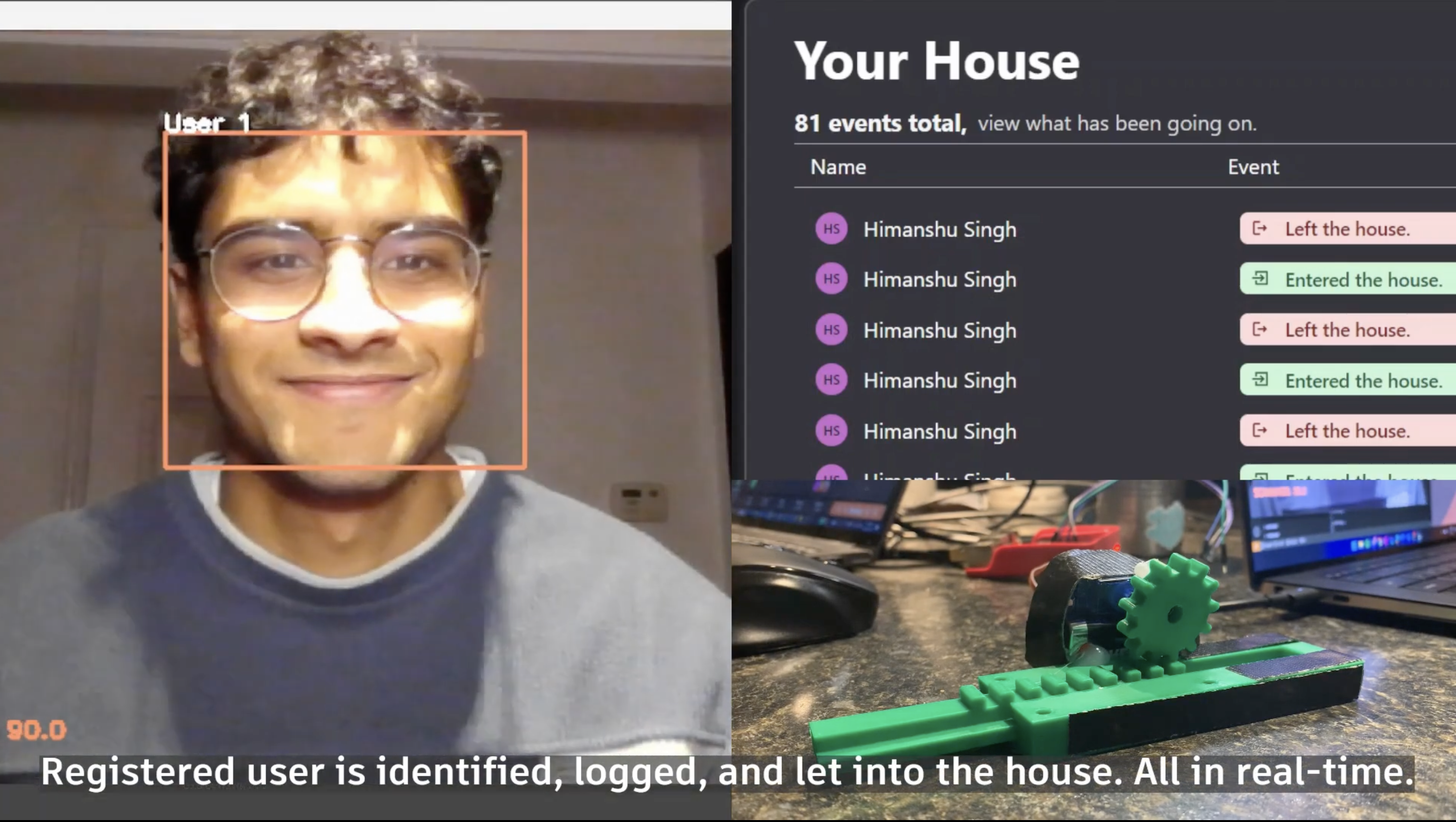
- Developed Keysight, a security system with facial recognition (OpenCV) and voice detection (Google Speech-to-Text API) to identify users and alert for abnormal activity.
- Implemented gRPC calls to control a physical locking mechanism via a Raspberry Pi and servo motors.
- Integrated full-stack web app using React, Firebase, and Chakra UI for real-time notifications and user management.
- Resolved hardware and software challenges, optimizing Raspberry Pi performance and improving face/voice recognition accuracy.
Slacker - Hackathon Winner
- Created a web application in 24 hours using React and Firebase to randomly assign chores to roommates
- Implemented Google authentication so users can login and invite their friends to a "household" via email
- Won Best Productivity App in hackathon (1st out of 60 total submissions)
Island Mesh Generator
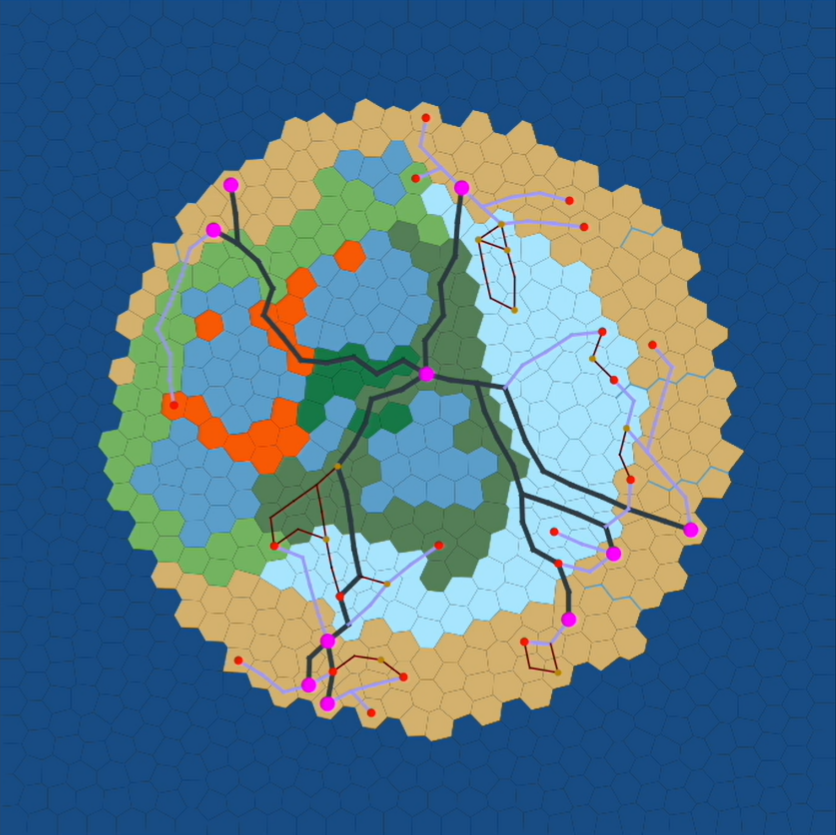
- Generate and visualize 2D meshes, further enriched with island generation and interconnected cities
- Focused on design decisions that conformed to SOLID principles
- Implemented a pathfinder service that employs graph algorithms (Dijkstra’s and Bellman Ford) for optimal path calculation between cities
Conway's Game of Life, N Player Game?
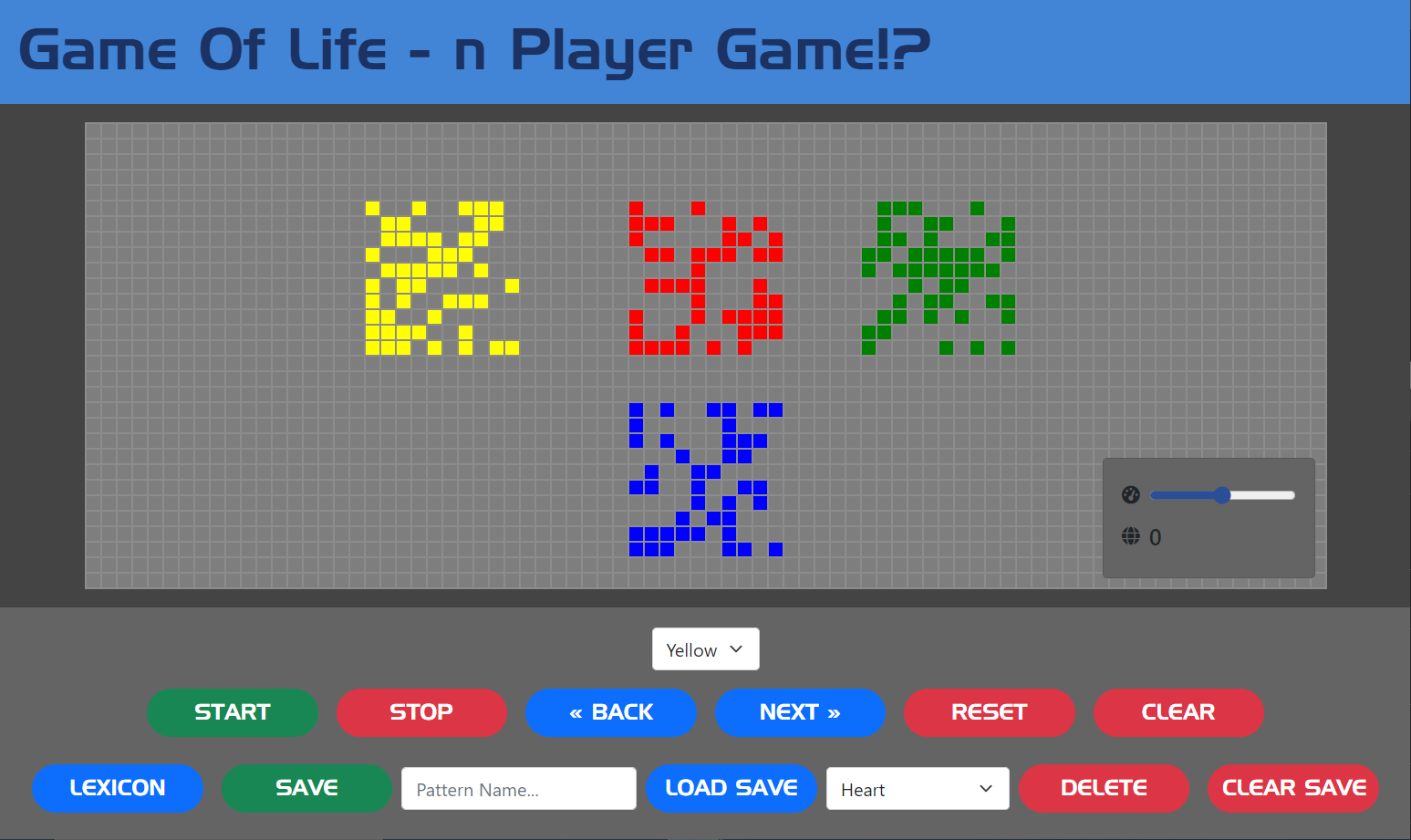
- Built a complete implementation of Conway’s Game of Life with a variety of enhanced features
- Chose a simple problem in order to concentrate on code quality, OOP, testing strategies, UI frameworks
- Implemented the UI layer in vanilla JS and React to understand the purpose of modern frameworks
Intellectus
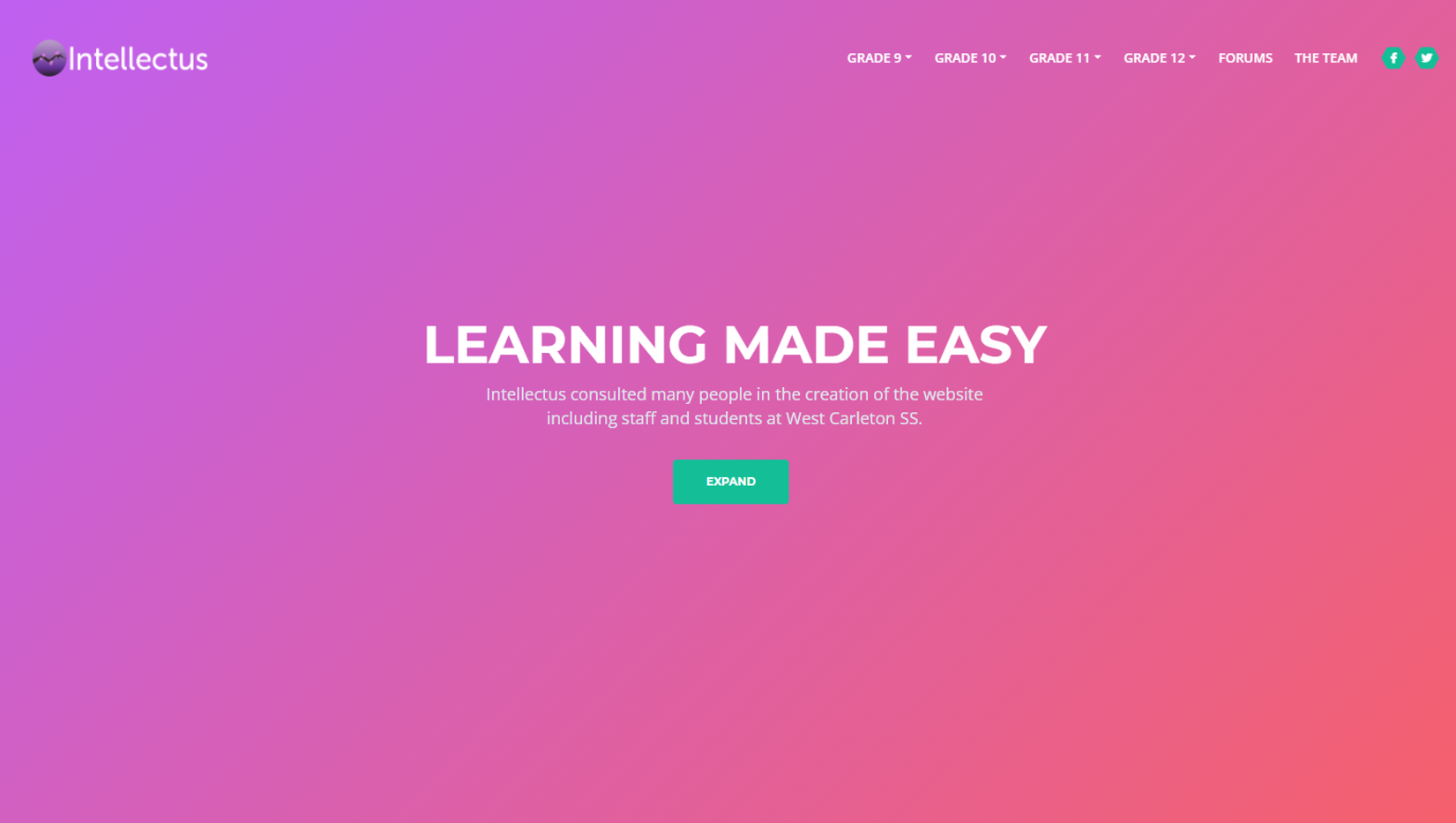
- Founded and championed this app used by students to support each other academically when working online
- Developed a clean, creative interface with HTML/CSS/JS/Bootstrap that shows students a library of notes
- Securely hosted an Apache web-app and a Discourse container behind NGINX on digital ocean using Docker Compose
Netflix Clone

- Developed a front-end web-app that replicates the UI/UX experience of Netflix
- Used TMDB API to retrieve shows/movies and deployed the app using Google Firebase
- Did this to learn and practice web development with React.
Instagram Clone

- Developed a full-stack web-app that has the same functionality and features as Instagram
- Used a NoSQL database, ensuring scalability as posts increase, and Firebase to deploy the app
- Sign up using any email, username and password to test out the app
- Did this to learn and practice web development with React.
Biomedical Projects
Retina Scanner
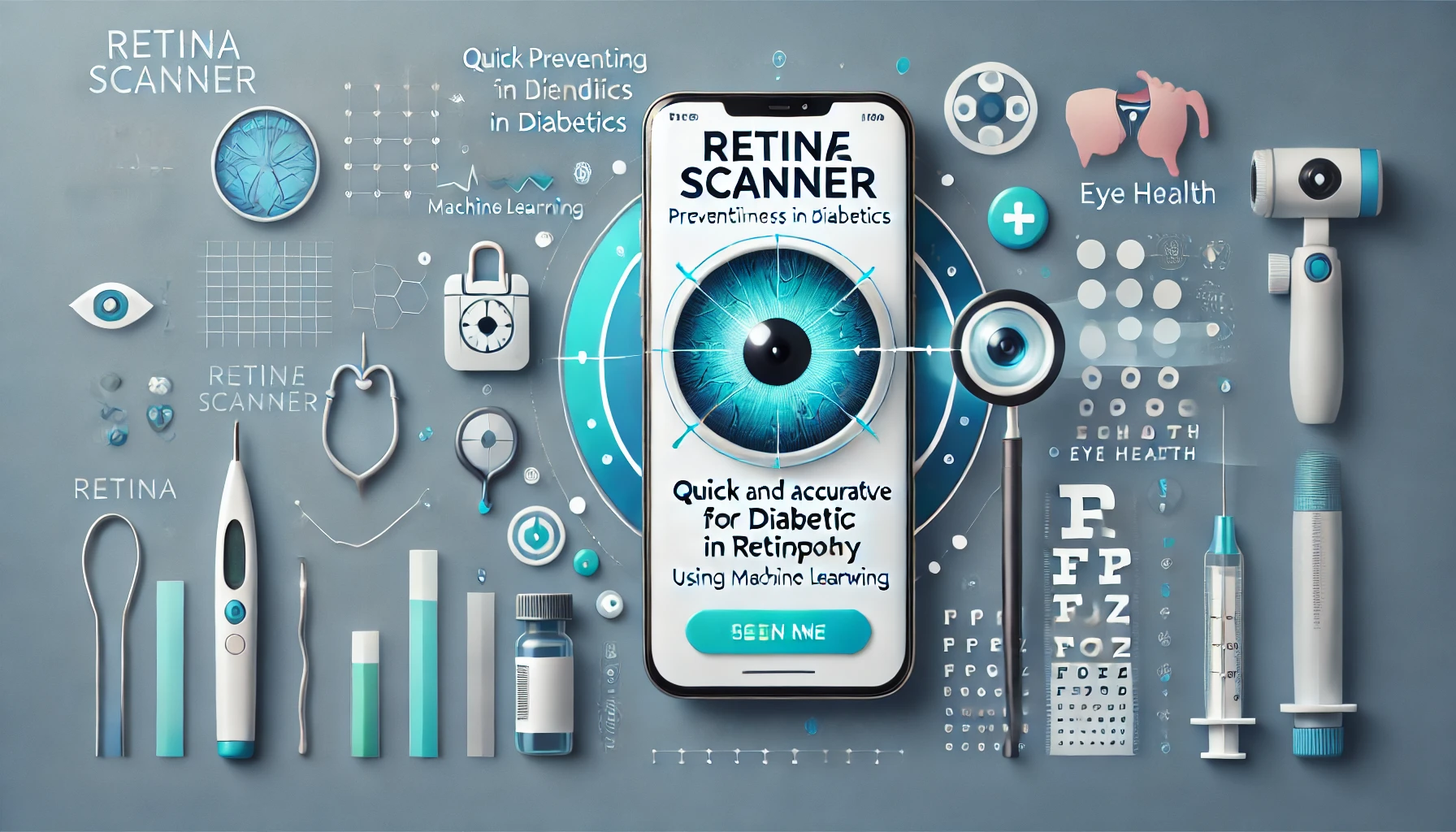
- Developed and trained a machine learning model to detect the severity of a person’s diabetic retinopathy
- ML model had 74% accuracy and could differentiate between 3 severity categories
- Created a mobile app to make this prescreening technology accessible in locations where clinicians are sparse
A Breath of Fresh Air, Showcase Winner
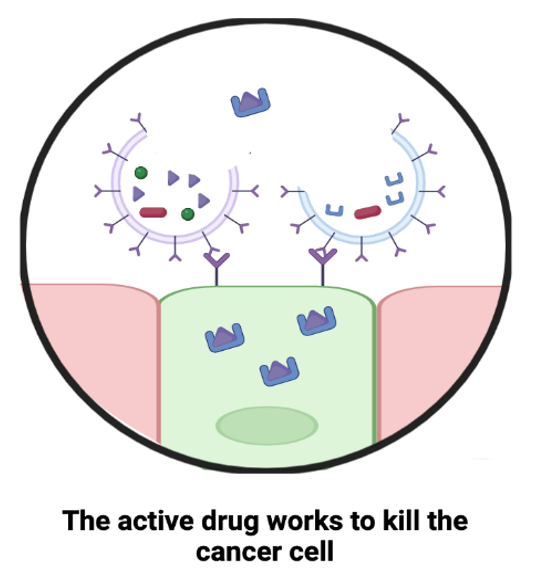
- Selected to present our findings at the McMaster iBioMed Showcase
- Developed and analyzed a Mathematical Simbiology model for a novel lung cancer treatment using synthetic biology approaches
- Investigated cell-to-cell communication via quorum sensing pathways for localized drug release
Hips Don't Lie
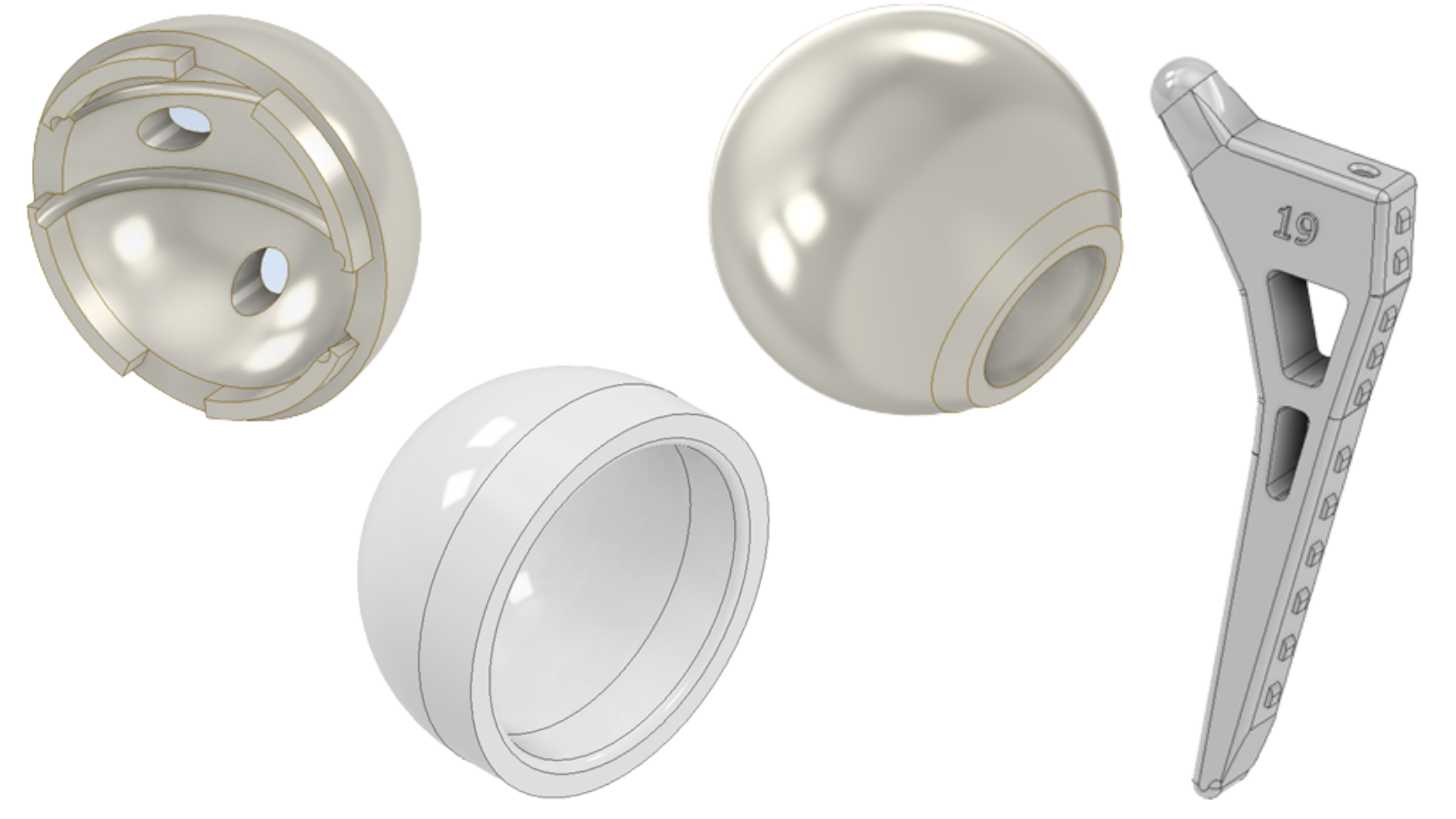
- Brainstormed biocompatible materials for the femoral stem and plastic liner that reduce polyethylene debris and promote bone regrowth
- Designed the hip implant and sketched the dimensions
- 3D modelled and printed the hip implant
Recent Github Projects
personal-portfolio-site
My Personal Portfolio website made with react
Stars 1Updated on December 2, 2025
slacker-chore
DeltaHacks IX Winner
Stars 0Updated on September 17, 2025
linear-optimization
COMPSCI 4O03 - Linear Optimization - Modelling and solutions for engineering and science problems using linear optimization, including networks, transportation, assignment, and scheduling problems. Solution methods include combinatorial algorithms such as simplex methods, primal-dual formulations, branch and bound formulations.
Stars 0Updated on September 1, 2025
ibehs-4a
IBEHS 4A03 - Biomedical Control Systems - Modelling of control systems in the continuous-time domain; representations; model linearization; performance of control systems in time and frequency; stability; control design. Particular emphasis will be given to biomedical applications.
Stars 0Updated on September 1, 2025
Skills
Python
C / C++
Go
Java
React Native
JavaScript / TypeScript / React
HTML / CSS
SQL
Git
Swift
MatLab
VS Code
Visual Studio
MS Word / Google Docs
MS Powerpoint / Google Slides
Teams / Slack
Communication
Leadership
Teamwork
Creativity
Time Management
Adaptability
Conflict management
Problem Solving